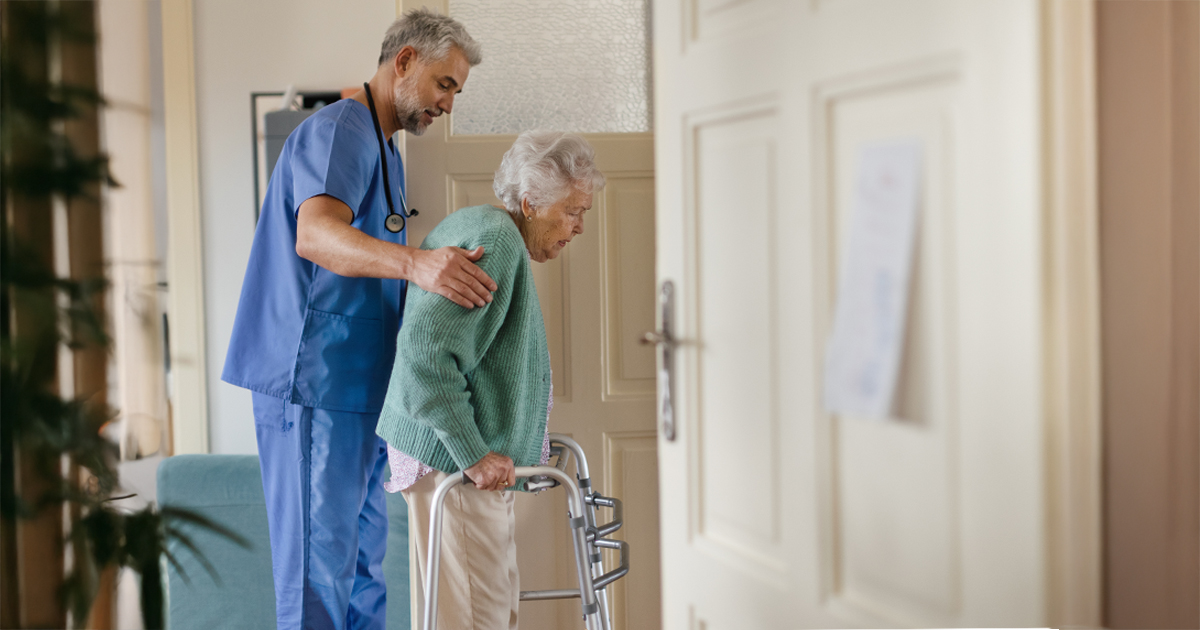
Families place their trust in nursing homes to provide safe, compassionate care for their loved ones. Yet a new report from the U.S. Department of Health and Human Services’ Office of Inspector General (OIG) reveals a disturbing truth: nursing homes failed to report 43% of falls with major injury that led to hospitalization among Medicare residents.
What the OIG Report Found About Nursing Home Falls
During a one-year review, OIG investigators discovered:
- 18,369 serious falls went unreported in Minimum Data Set (MDS) assessments, out of 42,236 total.
- For-profit and chain-owned nursing homes had the highest rates of underreporting.
- Larger facilities and those in non-rural areas were more likely to fail to report.
- Residents most affected were younger adults with disabilities, male residents, short-stay residents, and those covered only by Medicare.
Perhaps most shocking: nursing homes with the lowest reported fall rates on Care Compare, CMS’s public reporting website, were actually the most likely to be hiding serious falls.
Why Nursing Home Fall Reporting Matters for Families
The Centers for Medicare & Medicaid Services (CMS) relies on nursing home–submitted data to calculate the Care Compare star ratings that families often use to choose a facility. If nearly half of serious falls are left off the books:
- Families are misled into believing a facility is safer than it really is.
- Residents remain at risk because systemic problems are hidden.
- CMS cannot hold facilities accountable when the data is inaccurate.
The OIG concluded that Care Compare “substantially underestimates” how often nursing home residents suffer major falls — meaning families are making decisions without the full truth.
Why Nursing Homes Underreport Falls
The OIG report suggests a key reason: incentives to protect star ratings. Nursing home falls with major injuries can lower a nursing home’s public quality scores. Some facilities choose to avoid reporting altogether rather than risk their rating and reputation.
This underreporting is not just a paperwork failure — it is a breach of trust that directly impacts resident safety.
Federal Response and Recommendations
The OIG recommended that CMS:
- Ensure more accurate reporting of falls in MDS assessments.
- Explore new approaches, such as using Medicare claims data in addition to self-reports, to improve the accuracy of all quality measures, not just falls.
CMS has agreed with these recommendations and is exploring changes, but the OIG warns that meaningful reform could take years. In the meantime, families remain at risk of being misled by unreliable star ratings.
What This Means for Michigan Families
Falls in nursing homes are not always “accidents.” They are often preventable and result from inadequate staffing, poor supervision, or failure to implement basic fall-prevention measures.
When facilities then fail to report these injuries, they are not just violating federal requirements; they are hiding critical safety failures from the public.
“When nearly half of serious nursing home falls go unreported, families are making decisions in the dark. Star ratings are only as honest as the data behind them. Our firm will continue to hold facilities accountable and fight for the transparency residents deserve.”
–Donna M. MacKenzie, President, Olsman MacKenzie Peacock
As nursing home neglect lawyers with decades of experience, we have seen firsthand the devastating consequences of unreported nursing home falls. Families deserve transparency, accountability, and safe care for their loved ones.
Frequently Asked Questions (FAQ) About Nursing Home Falls
What percentage of nursing home falls go unreported?
According to the OIG, 43% of serious falls resulting in hospitalization were never reported in federal assessments.
Can families trust Care Compare’s star ratings?
Not entirely. The OIG found that nursing homes with the “lowest fall rates” were actually the least likely to report falls, meaning the ratings may reflect underreporting, not safer care.
Why do nursing homes underreport falls?
Facilities often fear lower star ratings and public perception, which creates a disincentive to report falls with major injuries.
What should I do if my loved one suffered a fall in a nursing home?
Seek medical attention immediately, and then consider contacting a nursing home abuse and neglect attorney. Many falls in nursing homes are preventable and may result from negligence, such as inadequate supervision, unsafe conditions, or staff errors. If the fall causes serious injury or wrongful death, an attorney can help you pursue justice and hold the facility accountable.
Contact an Experienced Nursing Home Fall Lawyer
If your loved one has suffered a fall in a Michigan nursing home, you may have legal rights. Call us today at 1-800-366-8653 for a free consultation. Our attorneys are dedicated to holding negligent facilities accountable and fighting for the dignity and safety of nursing home residents.